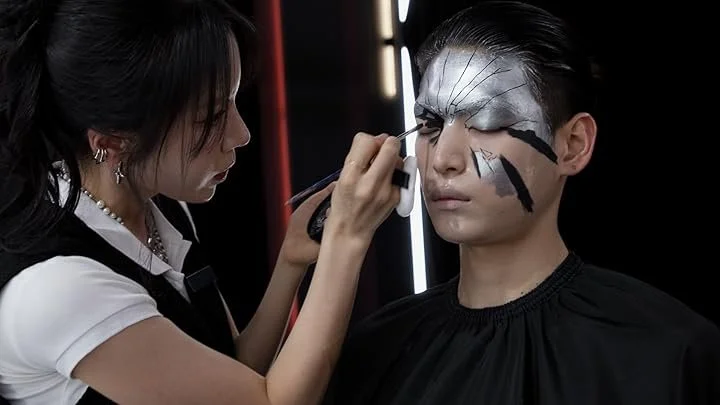
How ‘Just Makeup’ Changed the Way I See the Craft, and inspired the birth of nooc.
I subscribed to Amazon Prime for one reason — to watch Just Makeup.
I’ve yet to cancel the subscription, but that’s beside the point.
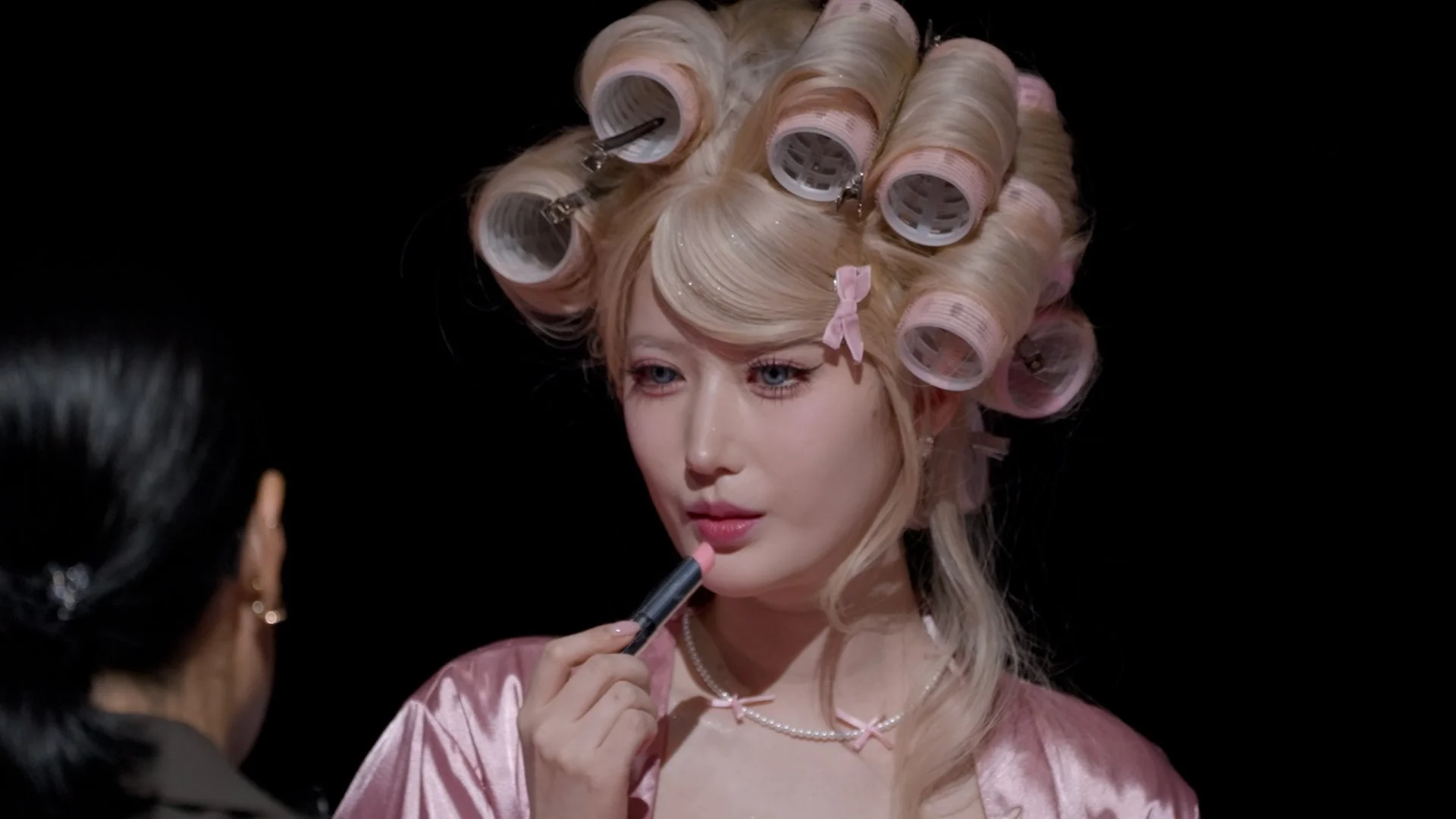
I wanted to understand how makeup is taught, practiced, and respected in Korea — a city shaped by aesthetics, discipline, and visual culture. As a colour analyst, makeup felt like the obvious next step in my work, yet it was also something I resisted. It made sense on paper, but it wasn’t where my interest had ever lived. Makeup had always sat quietly at the back of my mind — the natural extension of colour analysis, of working with faces, of understanding structure and balance. But wanting something to make sense doesn’t mean you’re ready to pursue it. For a long time, makeup simply wasn’t my medium.
And that tension mattered.
What I didn’t expect was how emotional the experience would be.
As the episodes unfolded, I found myself tearing up at various moments — not because of any drama, but because of how the craft was treated. It was impressive in a quiet, grounded way. The work had the ability to evoke feeling without excess.
What struck me most was the medium itself. A face is far more difficult to work on than paper or canvas. It moves. It carries texture, expression, history, and emotion. You don’t get to erase easily. You can’t simply paint over mistakes. Every decision is visible, and every choice matters.
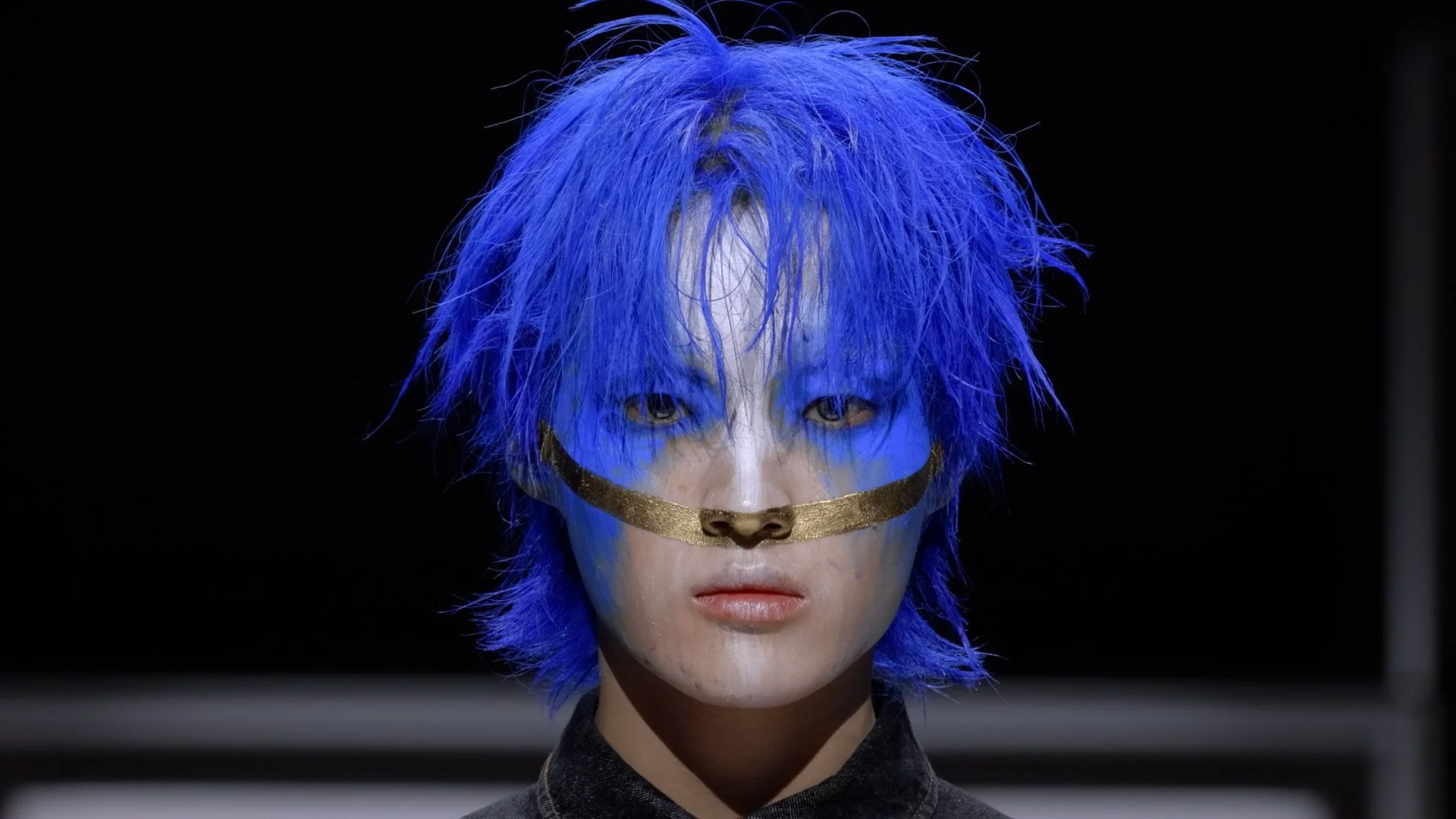
Watching artists approach the human face with that level of care reframed how I understood makeup. Much like colour analysis, makeup isn’t particularly compelling in isolation. To me, it only becomes meaningful when seen as design — as structure applied thoughtfully to a living, breathing form. That belief is why I’ve always invested so much time into refining the services I provide for people, and why I’ve spent all my time, at work or off-work honing my craft.
The show pushed me to look beyond technique and trends, and to think more deeply about process — about why certain decisions are made, and how they affect the person wearing the work. It reaffirmed something I’ve always believed: learning doesn’t end at skill acquisition. It deepens through observation, reflection, and intention.
In that context, makeup stopped feeling superficial. It no longer felt like a departure from my work, but a continuation of it.
As a colour analyst, much of my work has lived in the realm of the personal and the natural — makeup that is subtle, wearable, and quietly beautiful. There is deep value in that restraint, and it will always remain part of how I work. But I found myself wanting more room to explore, to experiment, and to engage my creative brain beyond correctness. What excites me is the space makeup offers - a way to explore creativity more freely, to experiment beyond subtlely, and to engage a different part of my creative process.
nooc. didn’t arrive as a sudden idea. It surfaced as something that had been waiting — for the right language, the right framing, and the right respect for the craft. Just Makeup gave me permission to see makeup differently, and in doing so, to finally step into it.
I’ve waited a long time to call myself a makeup artist, and I’m glad I did. Like many colour analysts, I’ve provided makeup services and was decent at it. But naming the role matters. It signals readiness, intention, and respect for the profession.
I’ve always believed that colour analysis and fashion naturally belong alongside makeup. As my work expanded, I became more aware of how much the final image shapes how makeup is perceived — which led me to start learning photography. Not as a separate craft, but as a necessary extension of the work itself. In the same way, hair has always been part of the equation. While I’ve long had a strong conceptual understanding of it, I began developing the hands-on skills because it became clear that makeup doesn’t exist in isolation. Learning photography and refining hair work has been part of understanding how everything comes together — how makeup, hair, styling, and image-making collectively shape the final outcome. Seeing the full picture take form has been deeply motivating.
nooc. exists because of that shift. It is a studio grounded in process, learning, and thoughtful application — where colour, structure, and decision-making come together not to create dependency, but understanding.
It also exists to expand my own learning and challenge myself further. After colour analysis, many people naturally want to take the next step into makeup. This is where I come in — again.
I’m still learning. Still watching. Still questioning.
And yes — I should probably cancel my Amazon Prime subscription.